

Summer is the perfect time to refresh your home, and nothing transforms a space quite like the right rug. But here is the challenge many homeowners face: choosing the correct size. A rug that is too small can make your room look awkward and disconnected, whilst one that is too large might overwhelm the space. Getting it right makes all the difference.
This guide will walk you through everything you need to know about rug sizes. From standard measurements to room-specific advice, you will learn how to find the perfect fit for your living room, bedroom, and dining area.
Understanding Standard Rug Sizes
Before you start measuring, it helps to know what sizes are commonly available. Here is a quick reference table showing standard rug sizes in the UK:
| Size Category | Dimensions (cm) | Dimensions (ft) | Best For |
|---|---|---|---|
| Small | 60 x 90 | 2 x 3 | Beside beds, entrance areas |
| Medium | 120 x 170 | 4 x 5.5 | Small living rooms, bedside placement |
| Large | 160 x 230 | 5.3 x 7.5 | Medium living rooms, under dining tables |
| Extra Large | 200 x 290 | 6.5 x 9.5 | Large living rooms, open-plan spaces |
| Extra Large | 240 x 340 | 8 x 11 | Very large rooms, statement pieces |
| Runner | 60 x 230 | 2 x 7.5 | Hallways, kitchen galley areas |
Large rugs and extra large rugs are becoming increasingly popular, especially in modern homes with open-plan layouts. They create a sense of space whilst anchoring furniture groupings together.
-
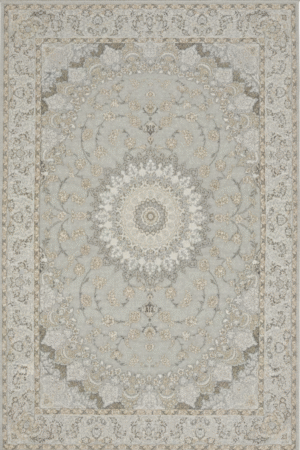

BEDROOM RUGS, DINING ROOM RUGS, HALLWAY RUGS, KITCHEN RUGS, LIVING ROOM RUGS, SAPPHIRE, SHOP BY STYLE, TRADITIONAL
Price range: £59.00 through £289.00 Select options This product has multiple variants. The options may be chosen on the product page
How to Measure Your Room Correctly
Getting accurate measurements is the foundation of choosing the right rug. Here is a simple process to follow:
Step 1: Measure the entire room. Use a tape measure to record the length and width of your space. Write these numbers down.
Step 2: Identify your furniture arrangement. Decide where your main pieces will sit. For a living room, this typically means your sofa and chairs. For a bedroom, it is your bed and bedside tables.
Step 3: Mark out the rug area. Use masking tape or newspaper to outline different rug sizes on your floor. This visual trick helps you see how each option will look before you buy.
Step 4: Allow for borders. A good rule of thumb is to leave 30 to 45 centimetres of bare floor between your rug and the walls. This framing effect makes rooms feel balanced and intentional.
Quick Measuring Tips:
- Always measure twice to avoid mistakes
- Include doorways in your planning so your rug does not block them
- Consider how far chairs need to pull out at dining tables
- Account for any fixed furniture that cannot move
-
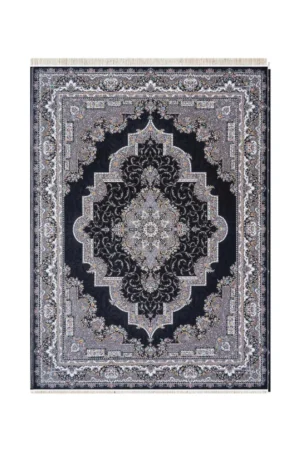
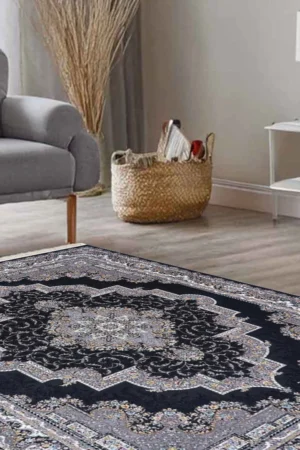
AMATIS, BATHROOM RUGS, BEDROOM RUGS, DINING ROOM RUGS, HALLWAY RUGS, KITCHEN RUGS, LIVING ROOM RUGS, PERSIAN, SHOP BY STYLE, TRADITIONAL
Price range: £109.00 through £599.00 Select options This product has multiple variants. The options may be chosen on the product page
Living Room Rug Sizes: Getting It Right
Your living room is often the heart of your home, so choosing the right size rug here matters most. Large living room rugs create a cohesive look that ties your seating area together.
The Front Legs Rule: For most living rooms, aim to have the front legs of your sofa and chairs resting on the rug. This creates a connected, intentional look. A large rug measuring 160 x 230 centimetres works well for standard seating arrangements.
The All-On Rule: If your budget allows, go bigger. An extra large rug that accommodates all furniture legs creates a luxurious, pulled-together feel. This approach works particularly well in open-plan living spaces where you want to define distinct zones.
For Summer Refresh: Consider an extra large rug in lighter colours or natural textures. These choices make rooms feel airy and fresh during warmer months whilst still providing comfort underfoot.
Bedroom Rug Sizes: Comfort Where You Need It
There are several ways to style a rug in your bedroom, and each approach requires different sizing.
Under-Bed Placement: Choose a large rug that extends at least 60 centimetres beyond each side of your bed. For a king-size bed, an extra large rug measuring 200 x 290 centimetres or larger works beautifully. This placement creates a hotel-like feel and gives you soft flooring to step onto each morning.
Partial Under-Bed: Position a large rug so it sits under the lower two-thirds of your bed, with equal amounts visible on either side. A 160 x 230 centimetre rug suits most double and king beds with this arrangement.
Bedside Runners: For a simpler approach, place matching runners or small rugs on either side of your bed. This works well in smaller bedroom spaces and is easier to clean.
Dining Room Rug Sizes: Practical Considerations
Dining areas need careful rug selection because chairs move in and out constantly. The key measurement here is allowing enough space for chair movement.
The Chair Pull-Out Rule: Add 60 to 75 centimetres to each side of your dining table. This ensures chairs remain on the rug even when pushed back. For a six-seater table measuring 180 x 90 centimetres, you need a rug of at least 300 x 210 centimetres.
Shape Matters: Round tables look best with round or square rugs. Rectangular tables suit rectangular rugs. Matching shapes creates visual harmony in your dining room.
Practical Tip: Consider washable rugs for dining areas, as spills are inevitable. Many modern extra large rugs come in easy-care materials that maintain their appearance despite daily use.
-
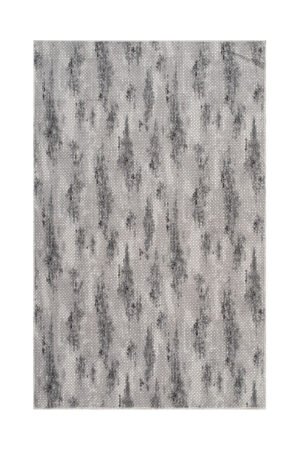
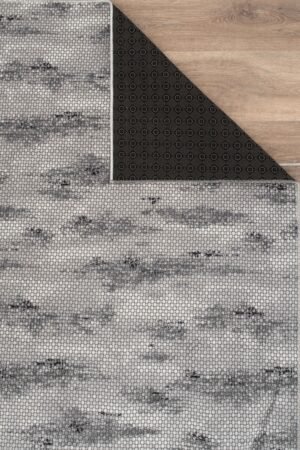
BATHROOM RUGS, BEDROOM RUGS, DINING ROOM RUGS, HALLWAY RUGS, KITCHEN RUGS, LIVING ROOM RUGS, MODERN, SHOP BY STYLE, SOFT, WASHABLE RUGS
Price range: £9.00 through £39.00 Select options This product has multiple variants. The options may be chosen on the product page
Why Extra Large Rugs Work Best for Open-Plan Summer Layouts
Open-plan living has become the standard in many UK homes, and this layout presents unique decorating challenges. Extra large rugs offer the perfect solution for several reasons.
Zone Definition: In open-plan spaces, an extra large rug helps define different functional areas without physical barriers. A generous living area rug signals where the lounge ends and the dining space begins.
Visual Cohesion: Rather than scattering small rugs throughout an open space, one or two extra large rugs create a more sophisticated, unified look. This approach prevents the cluttered appearance that multiple small rugs can create.
Summer Entertaining: During summer months, open-plan areas often see more foot traffic as we entertain guests. Extra large rugs accommodate this flow whilst protecting floors and providing comfort. They also help absorb sound, making gatherings feel more intimate despite the open layout.
Practical Sizing for Open Plans: For open-plan living and dining areas, consider starting with a large rug of at least 200 x 290 centimetres for your seating zone. If your space allows, going up to 240 x 340 centimetres creates even greater impact.
The Victoria and Albert Museum notes that textiles have been used to define spaces and add warmth to interiors for thousands of years. Their textiles collection showcases how rugs and floor coverings have always played a crucial role in home design, from ancient civilisations to modern day.
Common Rug Sizing Mistakes to Avoid
Even with careful planning, some errors crop up regularly. Here are the most common sizing mistakes and how to avoid them:
Going Too Small: The most frequent mistake is choosing a rug that is too small for the space. A tiny rug floating in the middle of a room looks out of place. When in doubt, size up rather than down.
Ignoring Furniture Placement: Buying a rug without considering where your furniture sits leads to awkward arrangements. Always plan your furniture layout first, then choose your rug size accordingly.
Forgetting About Traffic Flow: Rugs should not interrupt natural walking paths through your home. In open-plan spaces especially, ensure your rug placement allows easy movement between areas.
Overlooking Proportions: A large rug in a small room can overwhelm the space, just as a small rug in a large room gets lost. Consider your room’s proportions and choose accordingly.
Final Thoughts: Making the Right Choice
Choosing the right rug size transforms your home from ordinary to exceptional. Whether you are refreshing your living room for summer or creating cosy bedroom comfort, the key lies in careful measurement and thoughtful planning.
Remember these essentials:
- Measure your room and furniture before shopping
- Use the tape outline trick to visualise different sizes
- When uncertain, choose larger rather than smaller
- Consider extra large rugs for open-plan layouts
- Allow adequate space for dining chair movement
At The Rugs Collection, we understand that every home is different. As a family-owned business with over 20 years of experience in home decor, we offer rugs in every size from small accent pieces to impressive extra large rugs. Our range is designed to meet your needs whilst combining quality, style, and affordability.
Ready to find your perfect rug? Browse our collections to discover large rugs and extra large rugs that will transform your space this summer.
Frequently Asked Questions
What size rug do I need for a standard UK living room? For most living rooms measuring around 4 x 5 metres, a large rug of 160 x 230 centimetres or an extra large rug of 200 x 290 centimetres works best. The front legs of your sofa and chairs should rest on the rug.
How much bigger should a rug be than my dining table? Your rug should extend at least 60 to 75 centimetres beyond each edge of your dining table. This allows chairs to remain on the rug when pulled out.
Can a rug be too big for a room? Yes, if a large rug extends wall-to-wall with no visible floor border, it can look like fitted carpet rather than a deliberate design choice. Leave 30 to 45 centimetres of floor visible around the edges.
What is the best rug size for under a king-size bed? For a king-size bed (150 x 200 centimetres), choose an extra large rug measuring at least 200 x 290 centimetres. This ensures the rug extends beyond both sides and the foot of the bed.
Are extra large rugs suitable for small rooms? Generally, no. In smaller spaces, an extra large rug can overwhelm the room. Stick to medium or large rugs that allow some floor to show around the edges.


